APNA Field Dispatch | February 2026 From the ground, one camp at a time
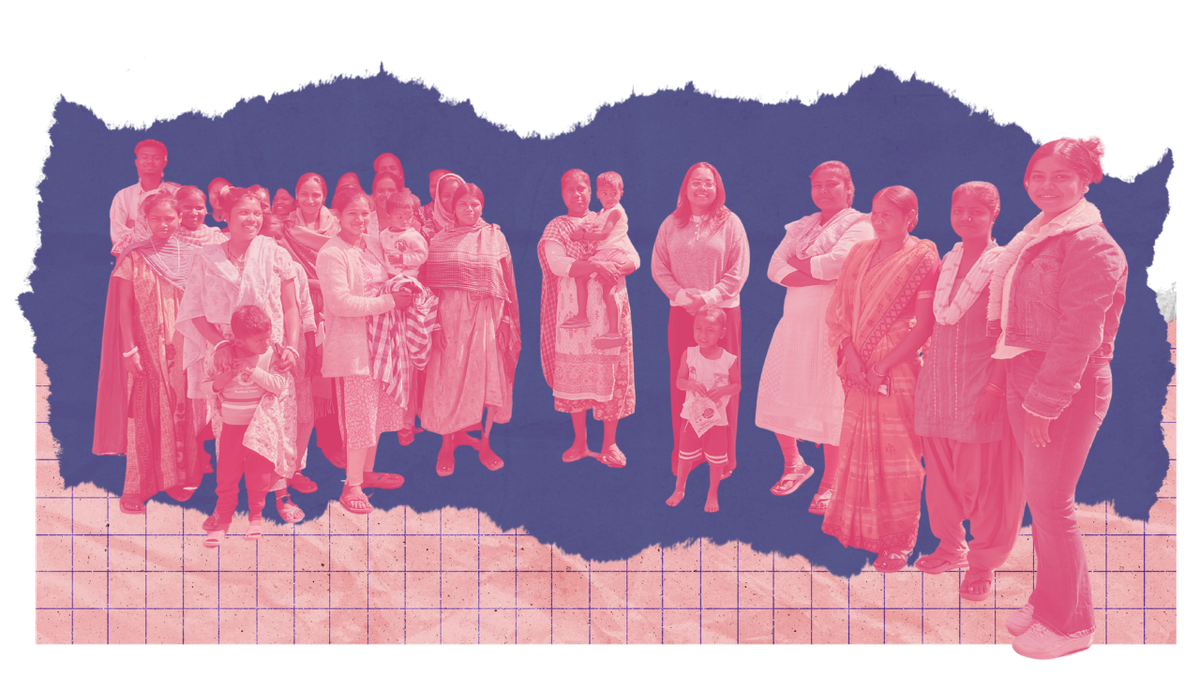
February began the way most good things do in this work where quietly, with a small group of people who rarely make headlines.
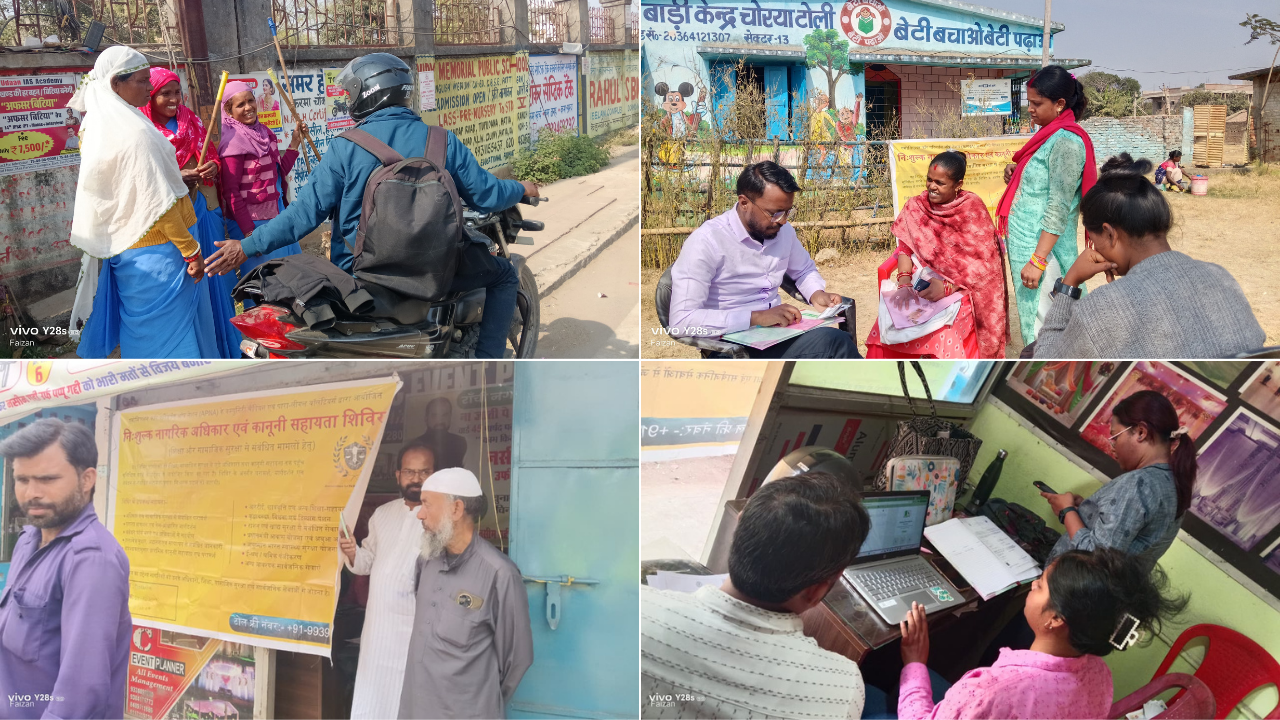
On the 2nd of February, Team APNA sat down with a group of Safai Karamcharis in Latma, Hatia. Sanitation workers. People whose daily labour keeps the city running but whose access to government schemes and basic rights is often the last thing anyone talks about. Through the UWASI initiative and with the help of BLO Sangeeta, the team listened, identified five individuals whose cases could be taken forward, and made a quiet but meaningful start to the month.
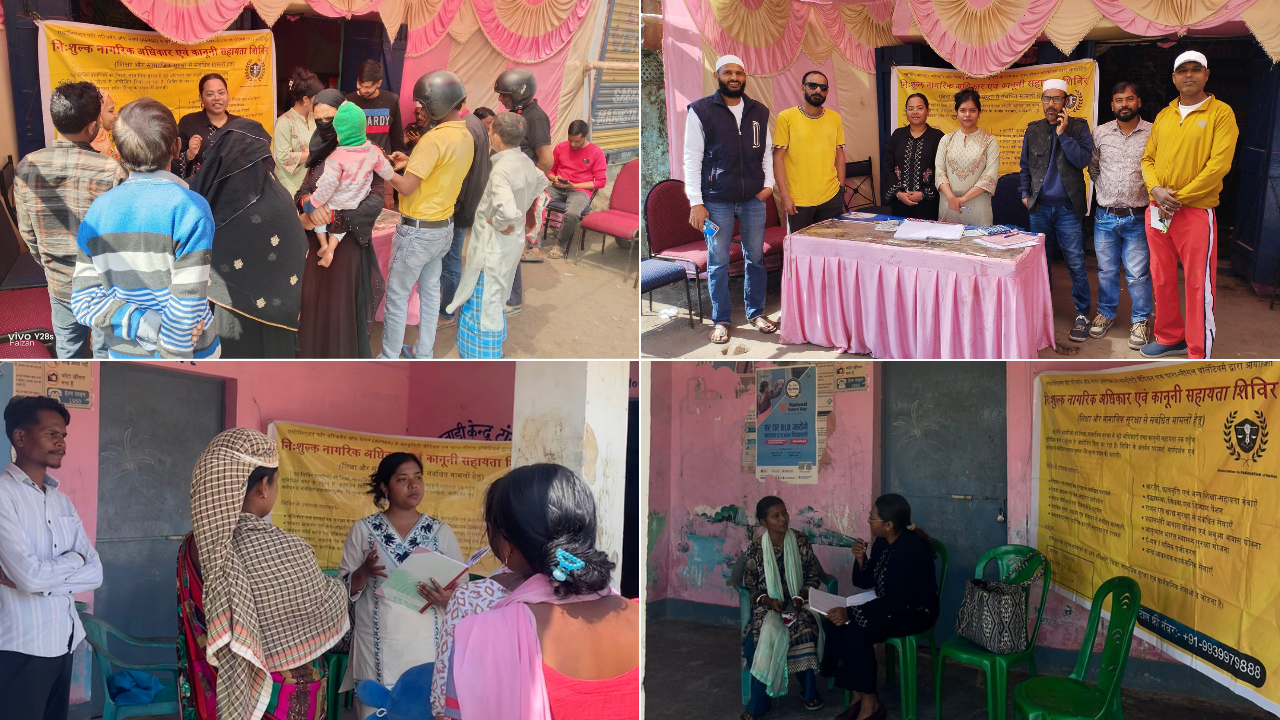
Four days later, the team was in Doranda. Thirty people showed up. Eighteen registered for RTE and documentation support. Word was getting around.
It was a month that refused to slow down..
What followed was ten days of back-to-back field work that stretched across gram panchayats, urban colonies, and everything in between.
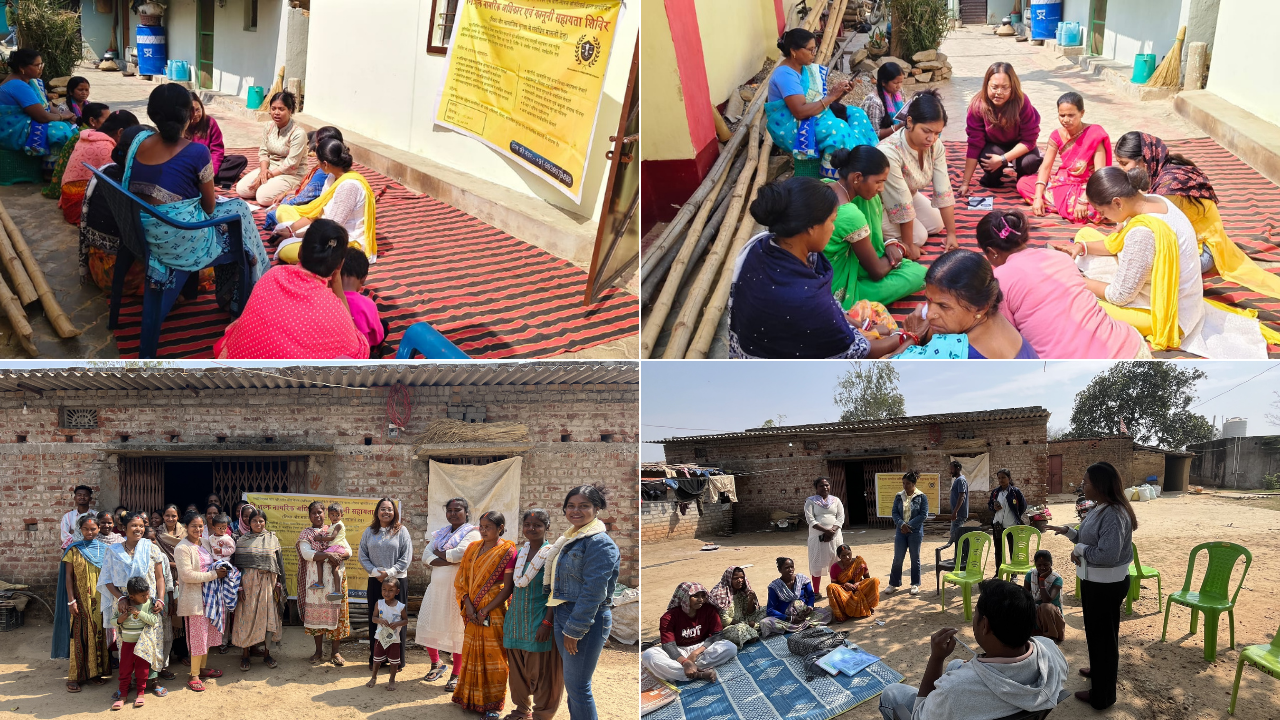
On the 10th of February, the team was out in Tundul; not for a camp, but simply to explore. They were looking for new communities to connect with. What they found instead was a group of women from different villages, gathered together for some local work. The team didn't have a plan for this. They made one anyway. They sat with the women, talked about RTE, about schemes, about what APNA does. Fourteen people registered before the afternoon was over. Some of the best work happens when you stop looking for the perfect moment.
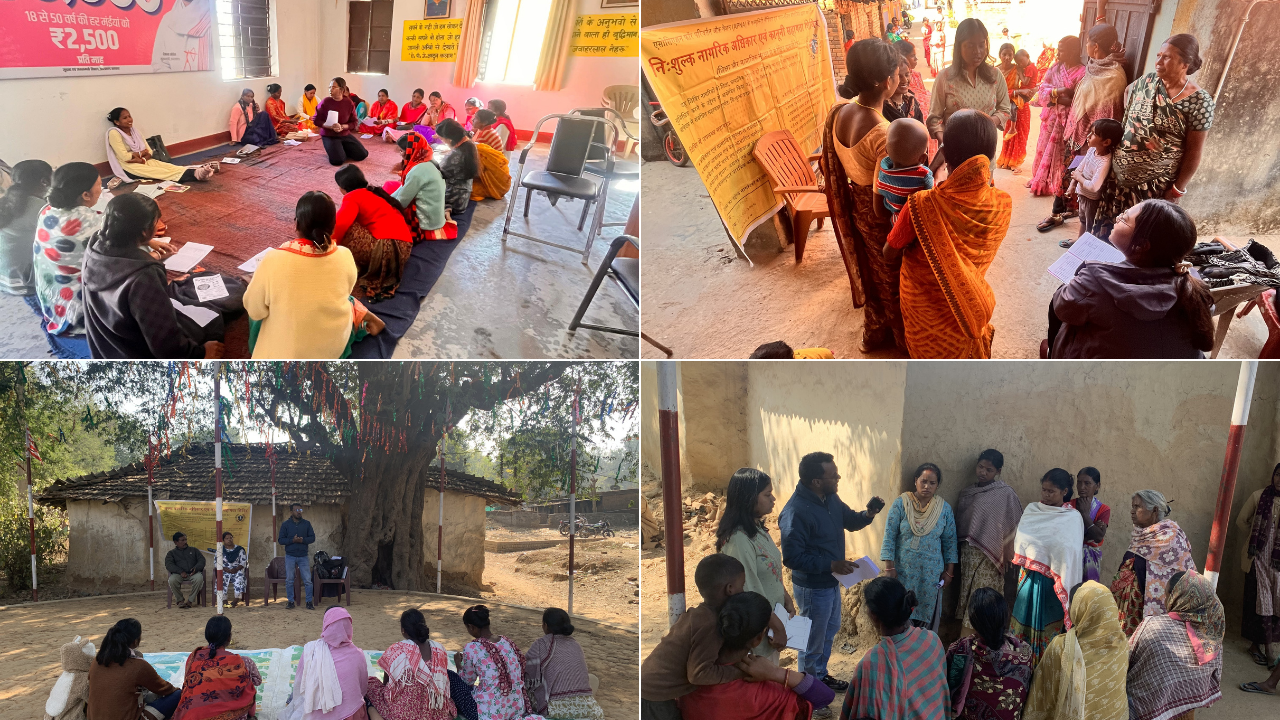
The very next day, the 11th, the team split their energies across two locations in Nagri — Kolambi Village in the morning and Mahto Toli in the afternoon. More than fifty people across both camps. Fourteen registrations. Community leaders Neetu Tirkey and Chanchala Devi opened doors that might otherwise have stayed shut.
Going deeper into new territory
The second half of February took the team further; geographically and in terms of the kinds of needs they encountered.
In Mausibadi, Jagannathpur on the 19th, a local social worker helped the team reach families who had never interacted with APNA before. Twenty-two-plus people engaged. Many wanted to know more about schemes for women. It was a reminder that RTE is often just the entry point — beneath it lies a much wider constellation of unmet needs.
A day later in Kesaro, Nagri Block, social worker Manisha Ekka led the team to 23 registrations. Families here needed support not just on RTE, but on orphan-related provisions and women's welfare schemes. The team took note.
The camp that made the news
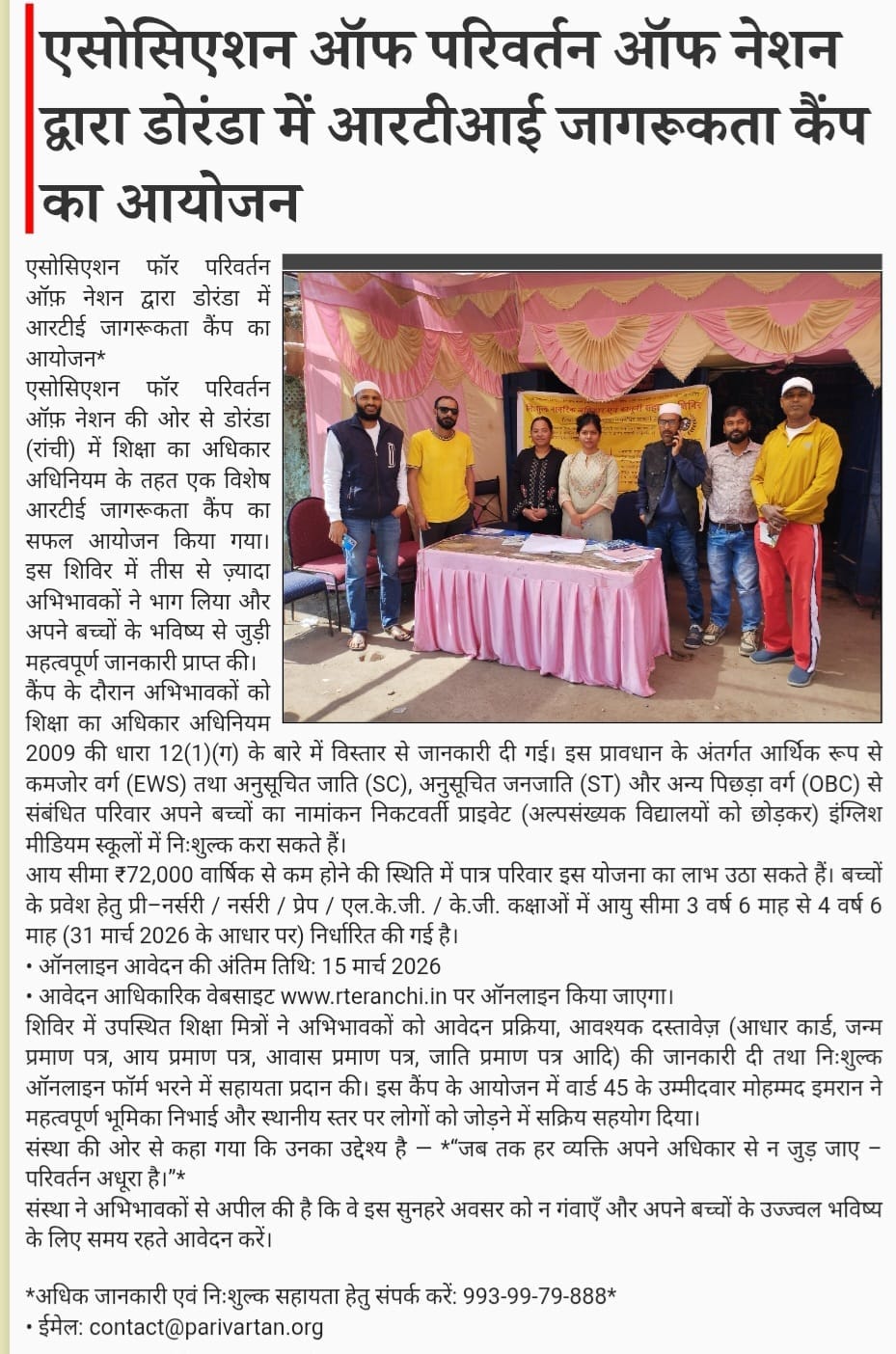
On February 25th, Team APNA was back in Doranda — this time for a dedicated RTE camp, supported by local leader Mohammad Imran. Twenty-six registrations. But what made this camp different was what happened after: the details were picked up by local news and media. For many families in the area, APNA's work became visible in a new way. That visibility matters. It builds trust before the team even walks into a neighbourhood.
The last field day of February on the 26th took the team to Sidrol Gram Panchayat on an exploratory visit. With PLV Prince Oraon guiding them, they found their way to Tangartoli and got permission to hold a camp inside one of the local anganwadi centres. Ten-plus people gathered. The conversation was about RTE and awareness. But the bigger discovery was the venue itself — anganwadis as a trusted, accessible space for future camps is a model worth returning to.
Learnings
The month wasn't without its friction. In several locations, the team depended on community leaders or local contacts just to get in the door — a reminder that trust in new communities takes time and cannot be assumed. Many camps drew large crowds but smaller registration numbers; converting curiosity into formal engagement is ongoing work. Running the five-day training in parallel with field activities stretched the team thin. And for every newly identified community — Nayasarai, Mausibadi, Sidrol — there is now a responsibility to return, to follow up, to not disappear.
But here's what also happened in February: over 130 people were reached across nine locations. Families from communities that had never heard of APNA now know their rights a little better. A team of 26 people came back from training with sharper tools. A sanitation worker in Hatia knows there is someone who will look at their case. A group of women in Tundul were met, entirely by chance, and walked away with something concrete.
That's the month. Uneven, energetic, and moving forward.
Field Team APNA | Jharkhand | February 2026